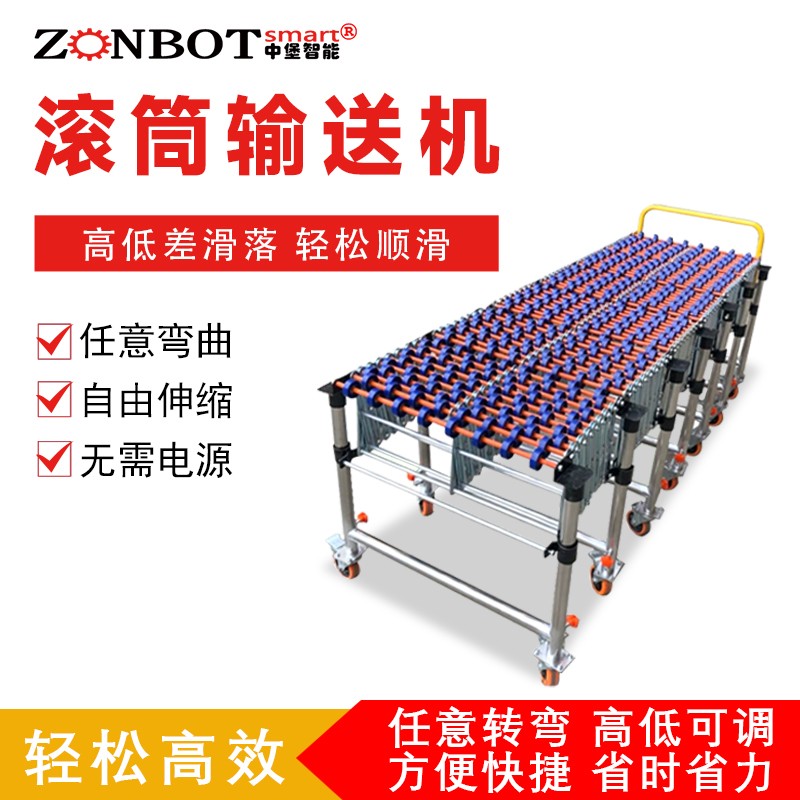
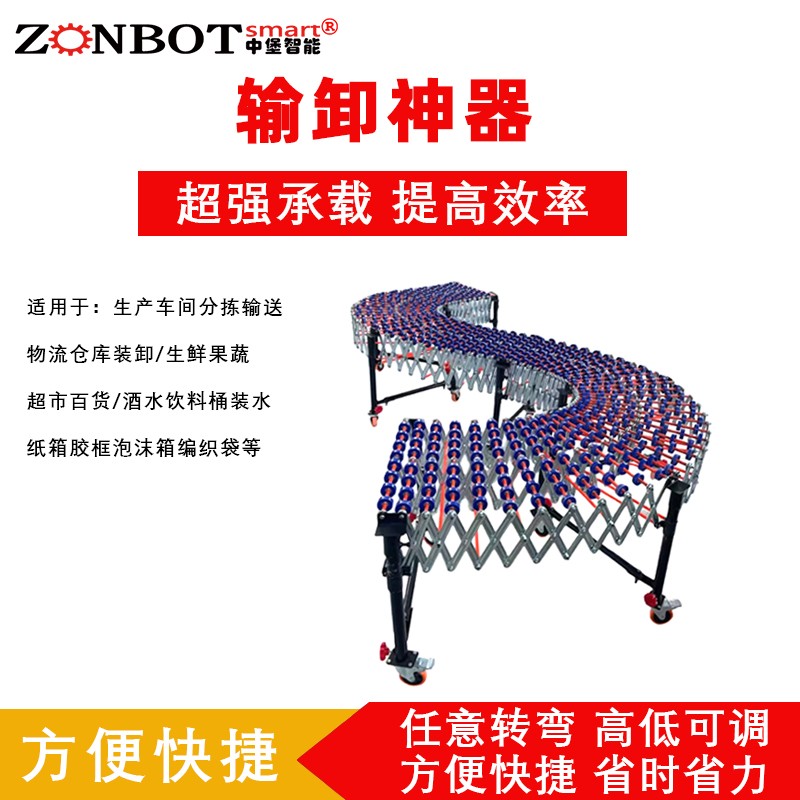
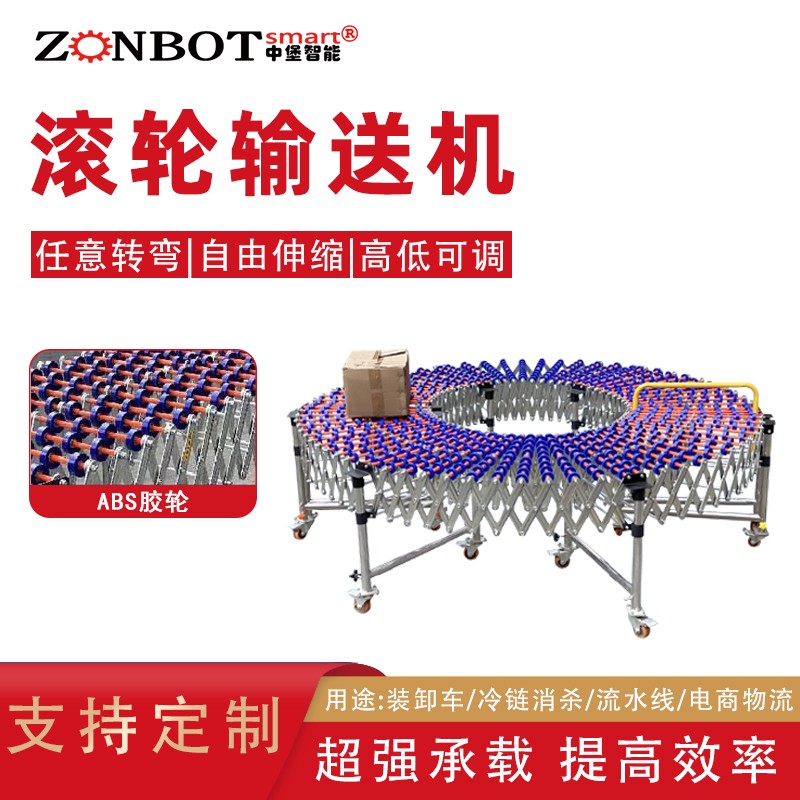
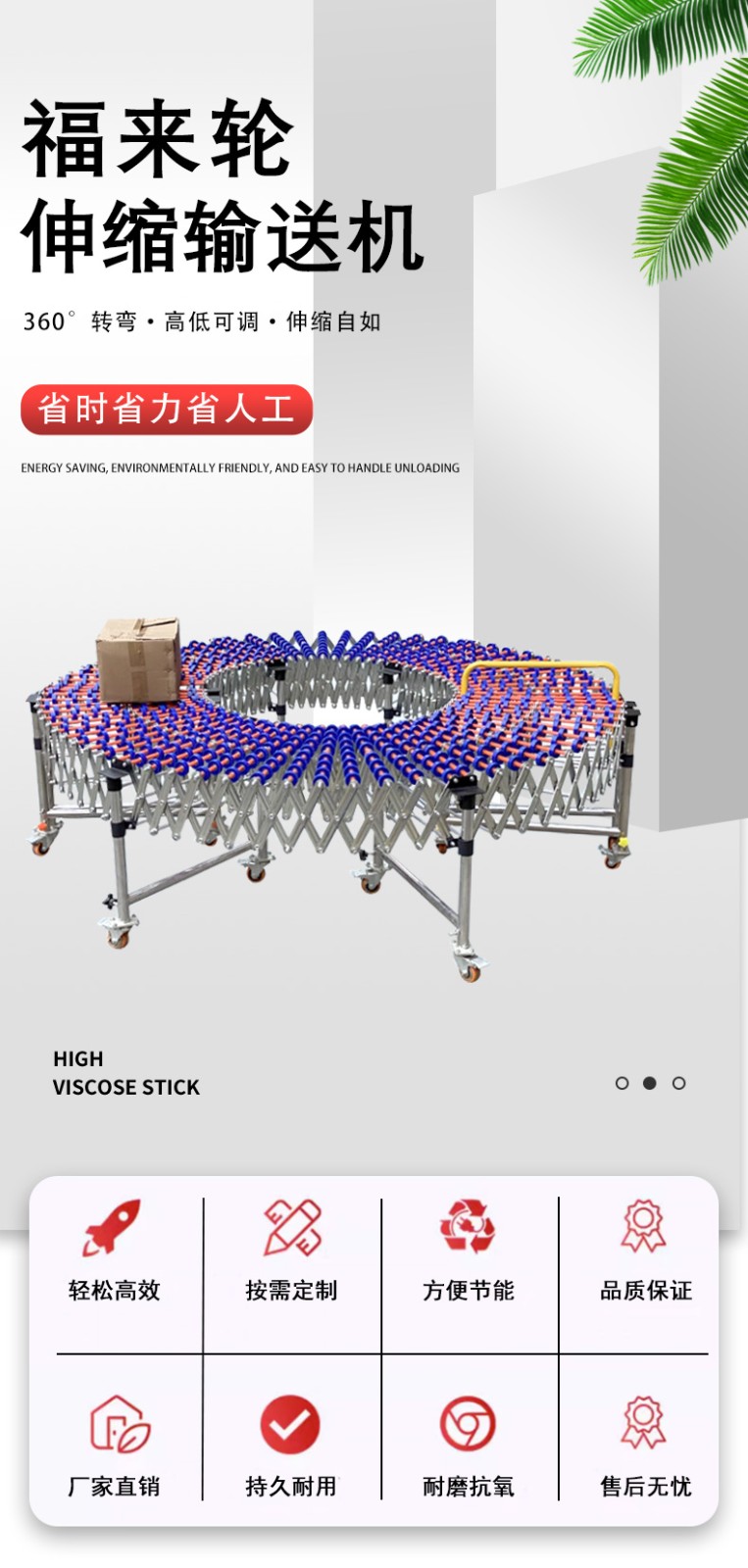
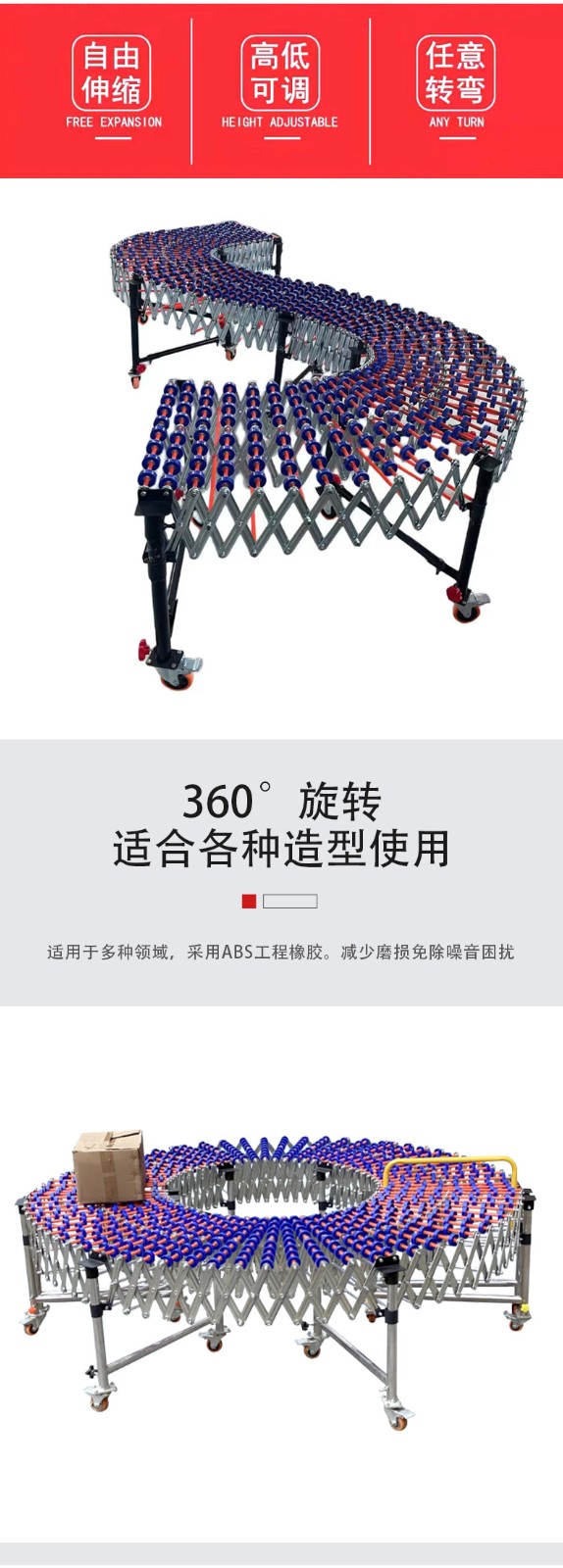
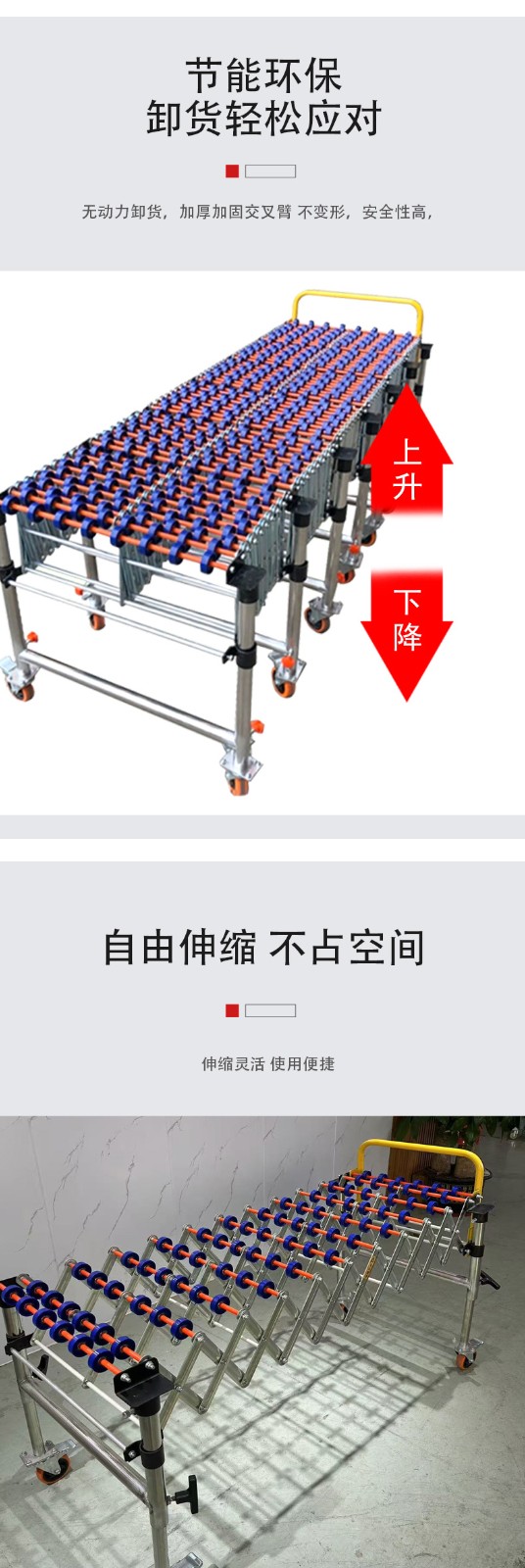
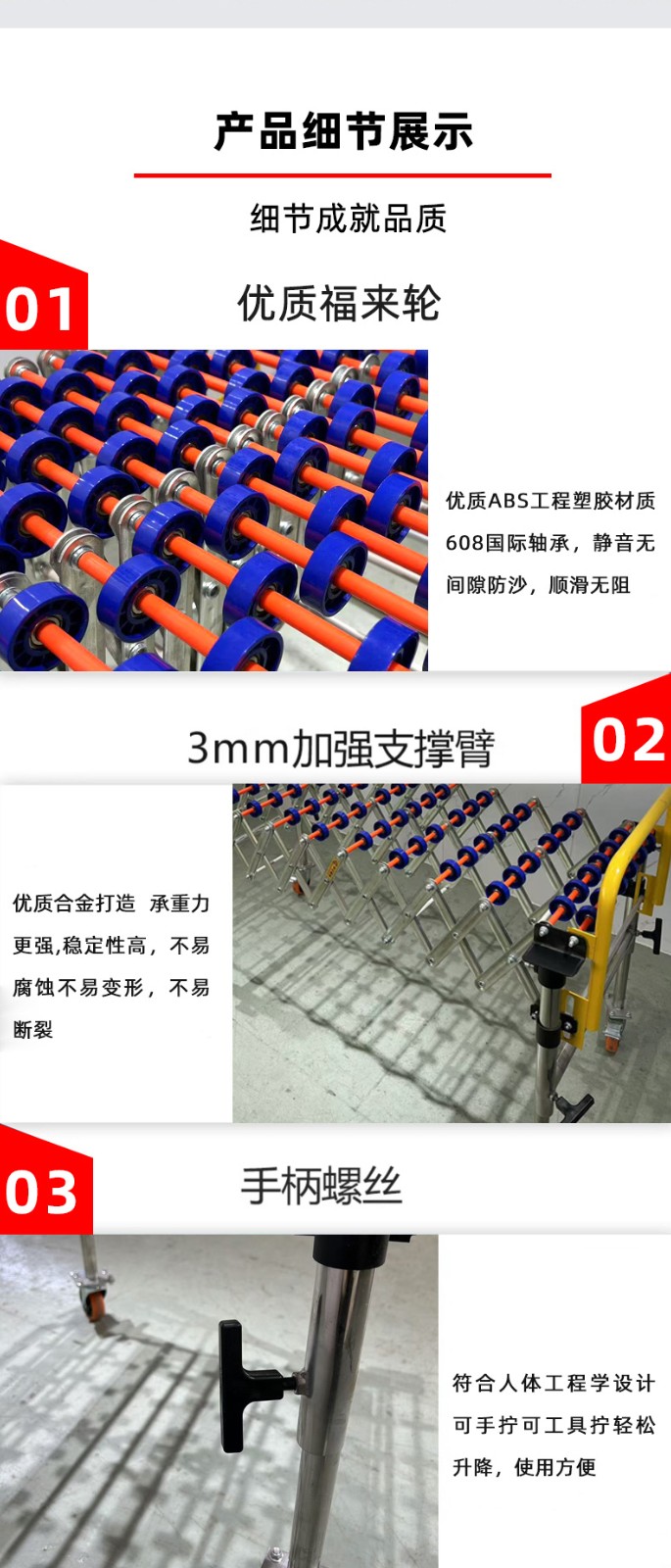
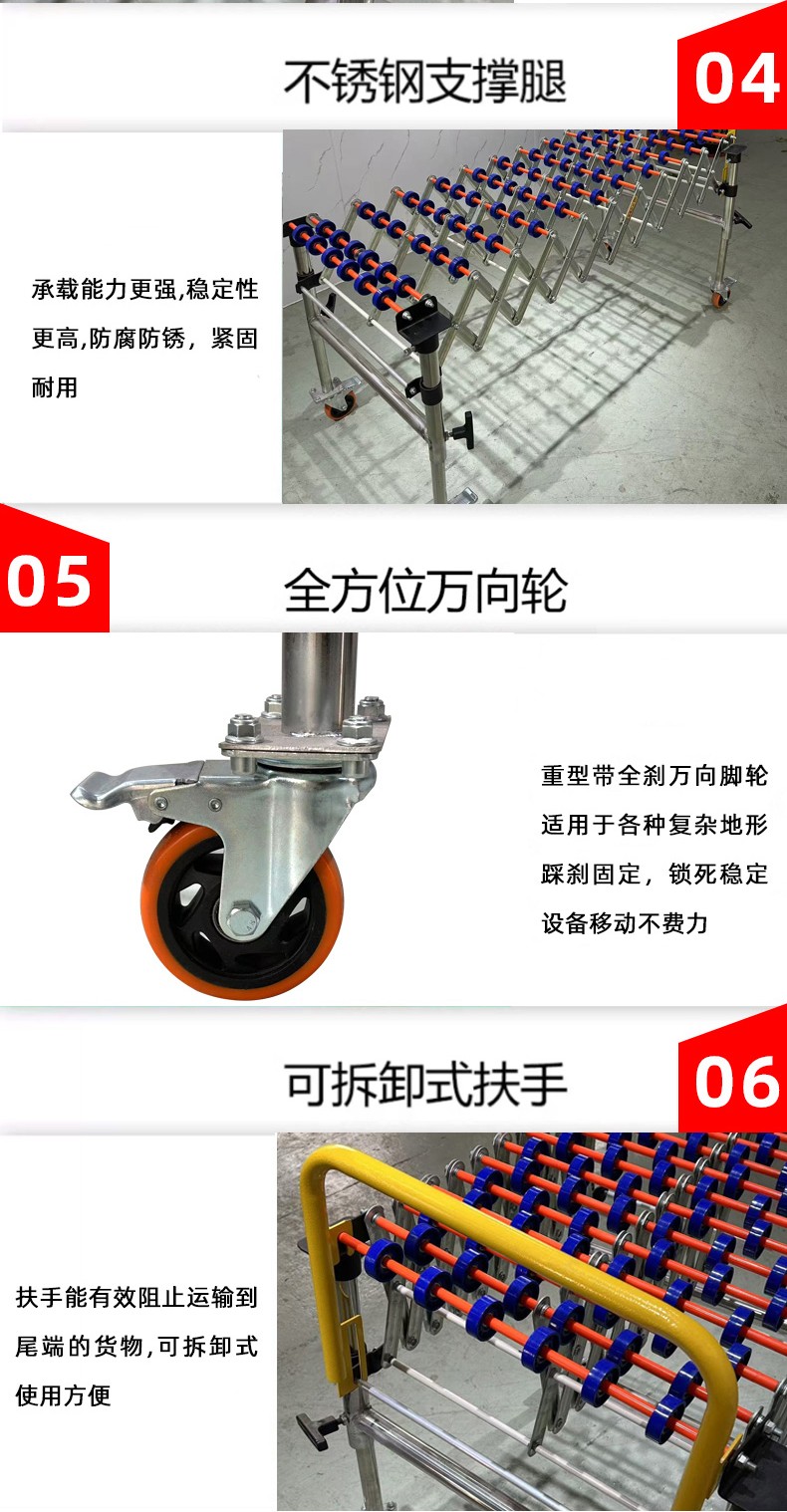
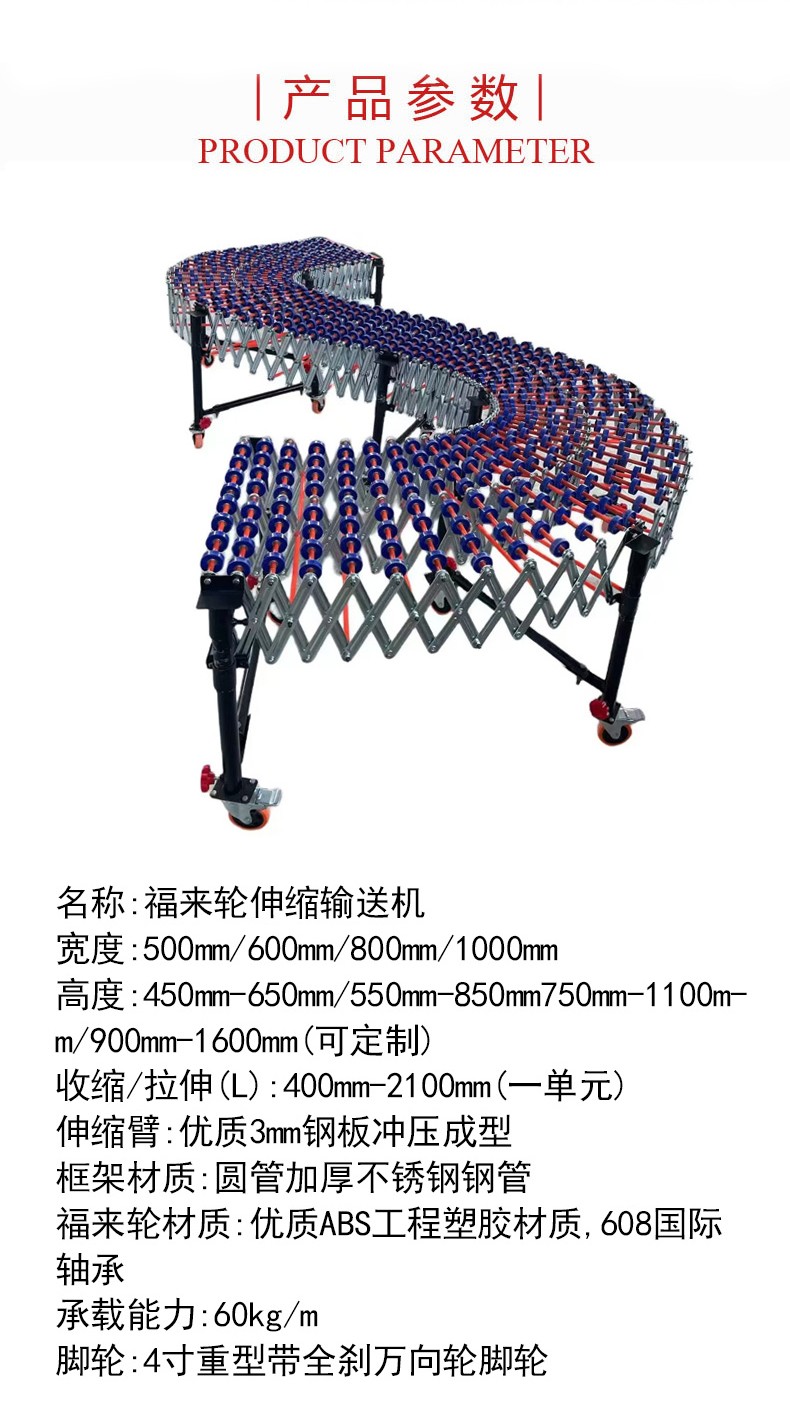
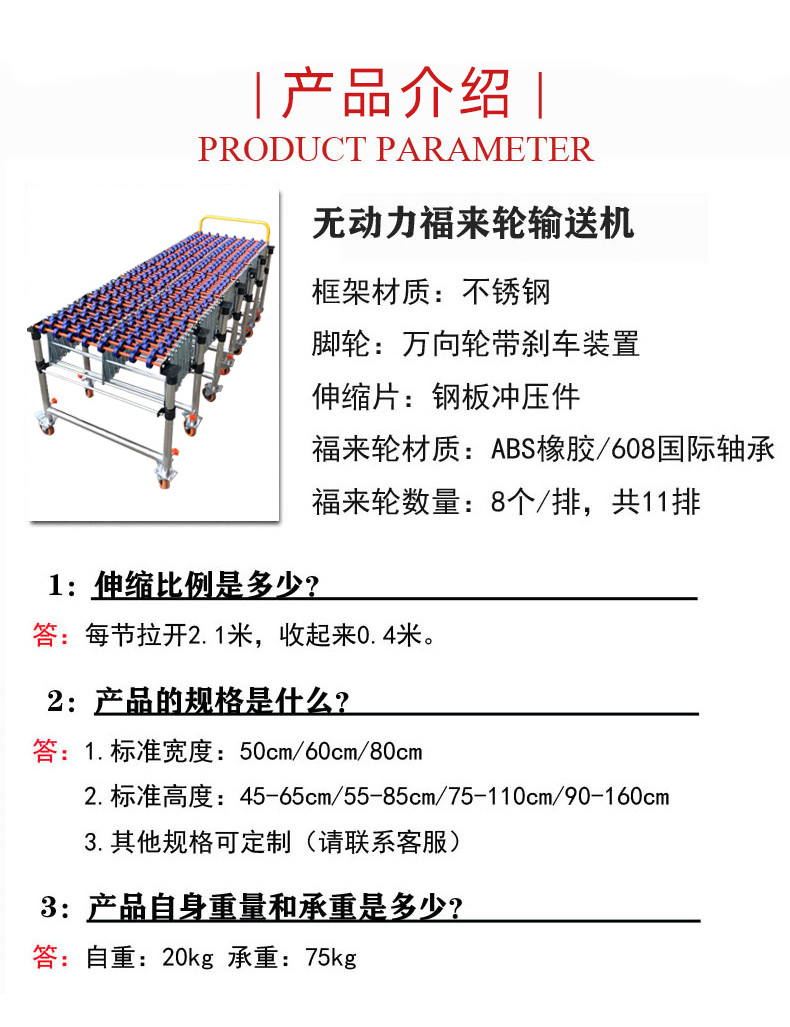
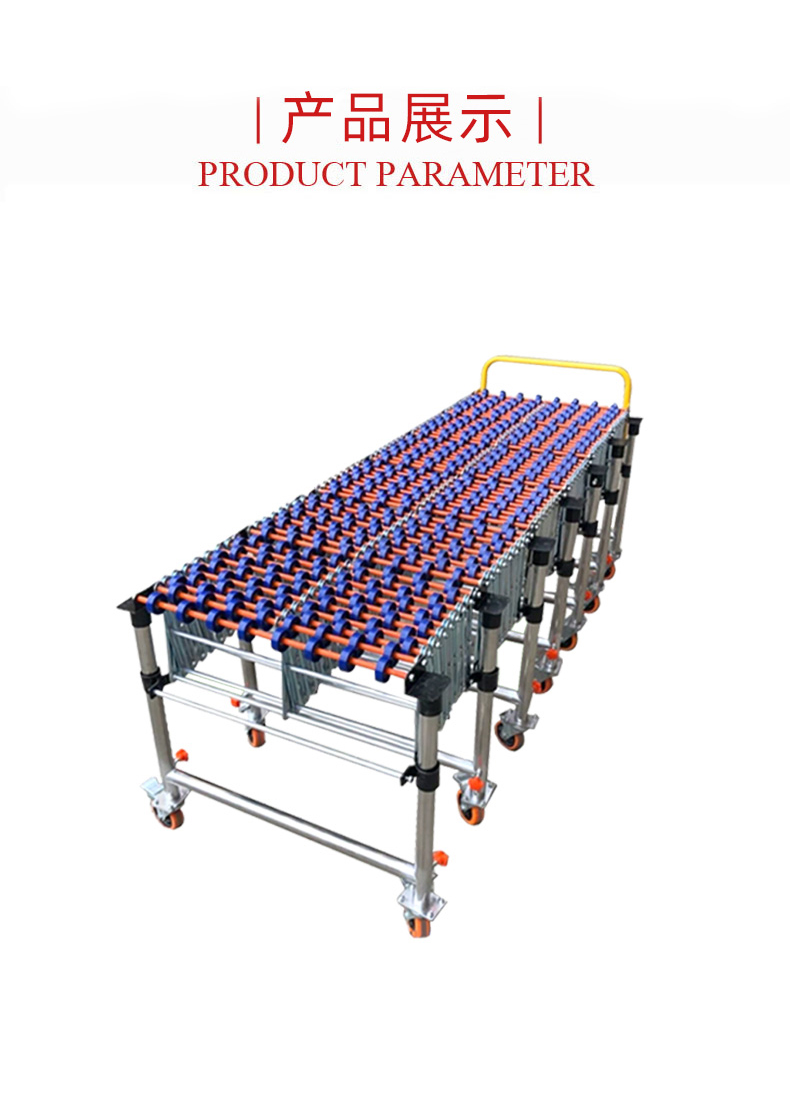
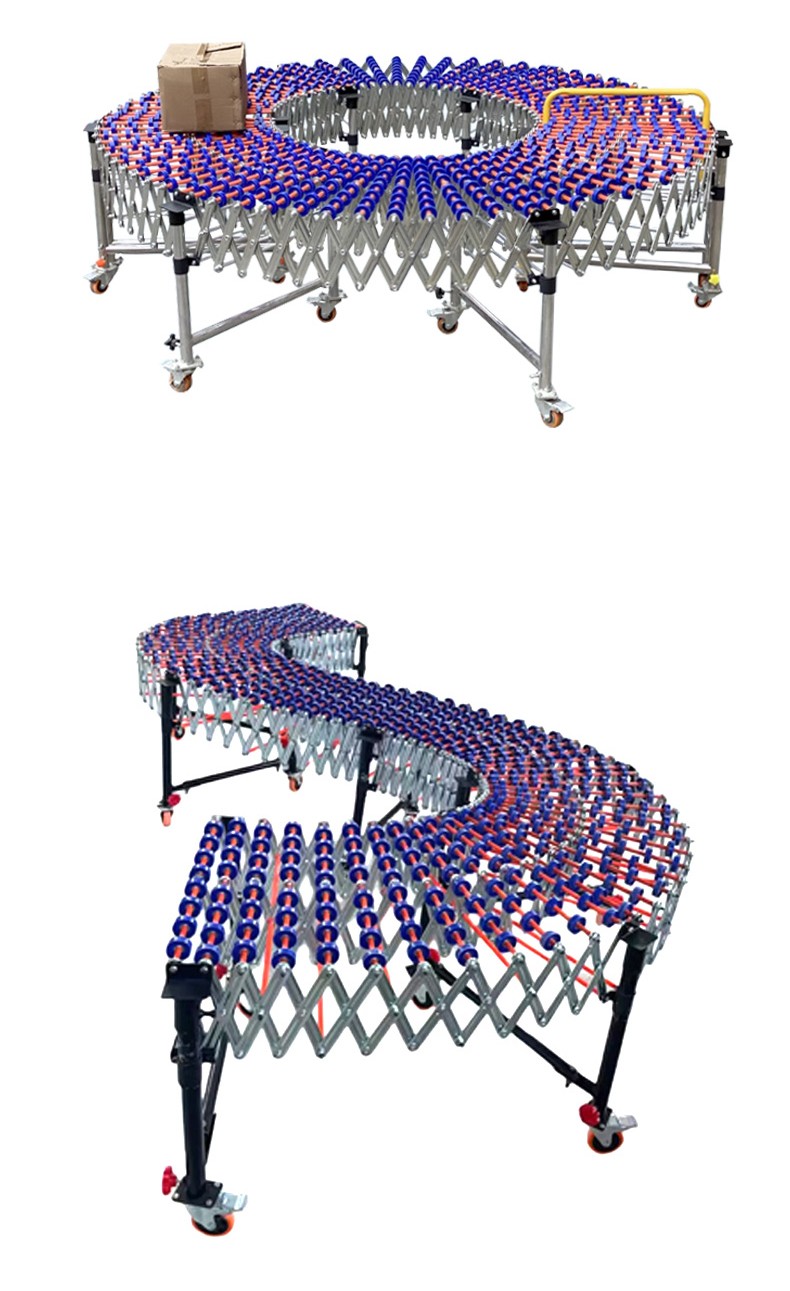
Unpowered roller conveyors (also known as unpowered drum conveyors) achieve conveyance without external power, relying instead on the material's own gravity, manual pushing force, or the extrusion of materials in front. The items suitable for such conveyors must meet certain characteristics. Below is an analysis of the types of items suitable for transportation and their features:
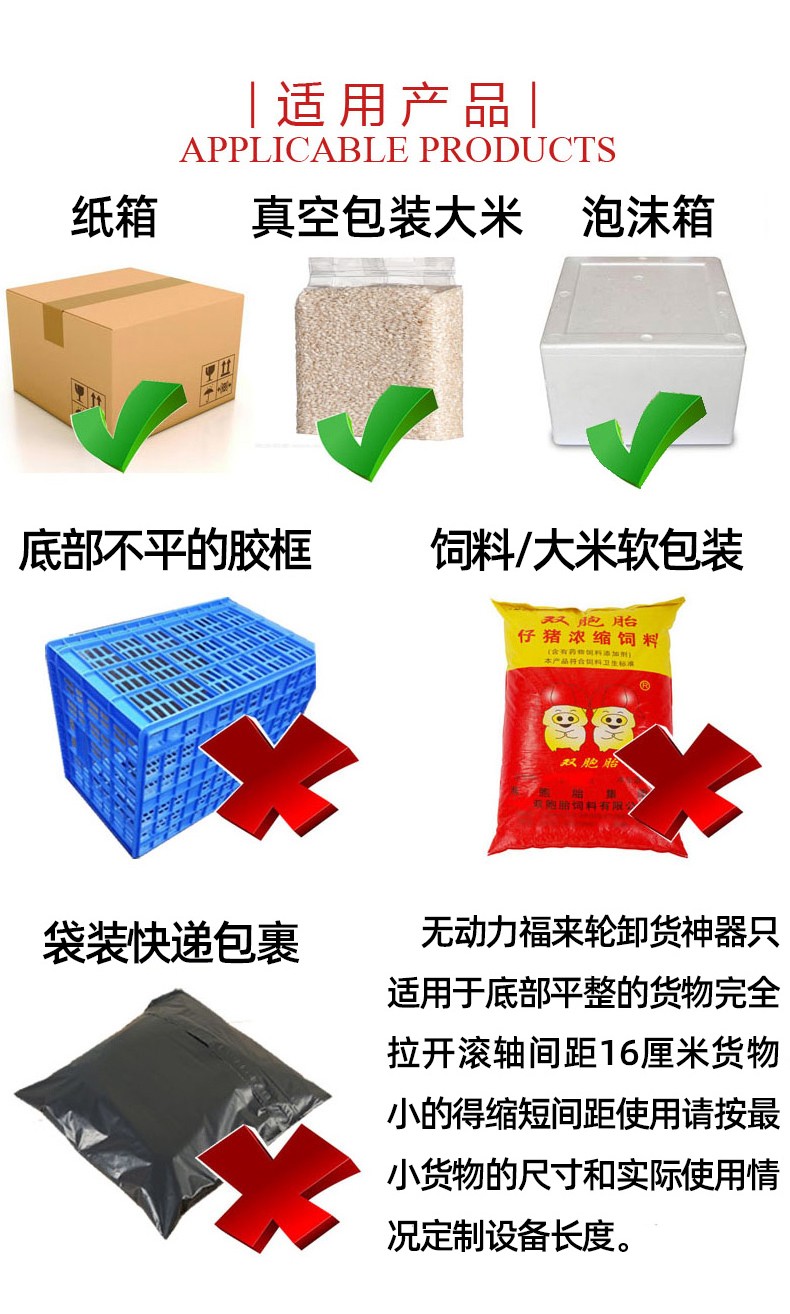
Regularly shaped items with a certain self-weight
- Features: Their own weight can overcome roller friction, allowing them to slide down by gravity when the conveyor is arranged at an incline; their regular shape (e.g., with a flat bottom) enables stable placement on rollers, making them less likely to topple or shift.
- Examples:
- Goods packed in cartons or wooden boxes (e.g., packaging boxes for home appliances, daily necessities);
- Plastic turnover boxes and logistics boxes (often used for short-distance transfer of small materials in factory workshops and warehouses);
- Pallet-borne goods (with flat pallet bottoms that make stable contact with rollers, suitable for manual pushing or conveying along slopes).
Items with moderate individual weight
- Features: Items that are too light are difficult to move by gravity or manual pushing; those that are too heavy are laborious to push manually and may exceed the load-bearing capacity of the rollers.
- Applicable range: Generally, the weight of a single item ranges from a few kilograms to several hundred kilograms (specifically depending on the roller material and spacing—metal rollers have higher load-bearing capacity, while plastic rollers are lower).
- Examples: Small and medium-sized mechanical parts, home appliance accessories, barreled liquids (e.g., paint buckets, lubricating oil buckets), etc.
Items with flat and non-deformable bottoms
- Features: A flat bottom ensures full contact with the rollers, preventing toppling due to an unstable center of gravity; hard materials (such as metal, hard plastic, and wood) are not easily damaged by roller pressure.
- Examples: Metal plates, glass (needs to be fixed in pallets or frames), ceramic tiles, hard plastic plates, etc.
Items for short-distance transportation
- Features: Unpowered transportation relies on external forces. Excessively long distances result in low efficiency (laborious manual pushing) or insufficient material kinetic energy (speed attenuation during gravity-based conveyance).
- Applicable scenarios: Transfer from shelves to sorting tables in warehouses, loading/unloading links in production lines, short-distance distribution at logistics outlets, etc.
- Small, light, easy-to-roll, or irregularly shaped items: Such as bulk materials (grains, sand and gravel), small bulk commodities (buttons, screws), etc.—these are prone to falling through roller gaps or toppling due to an unstable center of gravity.
- Items with soft or deformable bottoms: Such as materials packed in cloth bags, commodities in soft plastic packaging, etc.—their bottoms may be squeezed and deformed by rollers, causing transportation obstruction.
- Scenarios requiring long-distance transportation or continuous power: Unpowered transportation relies on external forces and cannot meet the demands of long-distance, continuous, and stable transportation in automated production lines.